 Glendale Mold Removal
 Mold Inspection & Testing in Glendale, AZ
A professional mold inspection answers three questions: is mold growing in your house, where is the moisture feeding it, and how far has it spread. In Glendale, AZ, an inspection with lab-analyzed air and surface samples runs $300–$700, takes one to two hours on site, and produces a written report you can act on, or hand to an insurance adjuster, buyer, or landlord.
If you can already see mold and know where the water came from, skip ahead: you likely need remediation, not testing, and we’ll confirm that for free. Inspection is for everything else: the musty smell with no source, the allergy flare-ups that stop on vacation, the water stain you’re not sure is active, the pre-purchase gut check on a 1968 ranch.
What a real inspection includes
Anyone can walk through a house with a flashlight. Here’s what should actually happen:
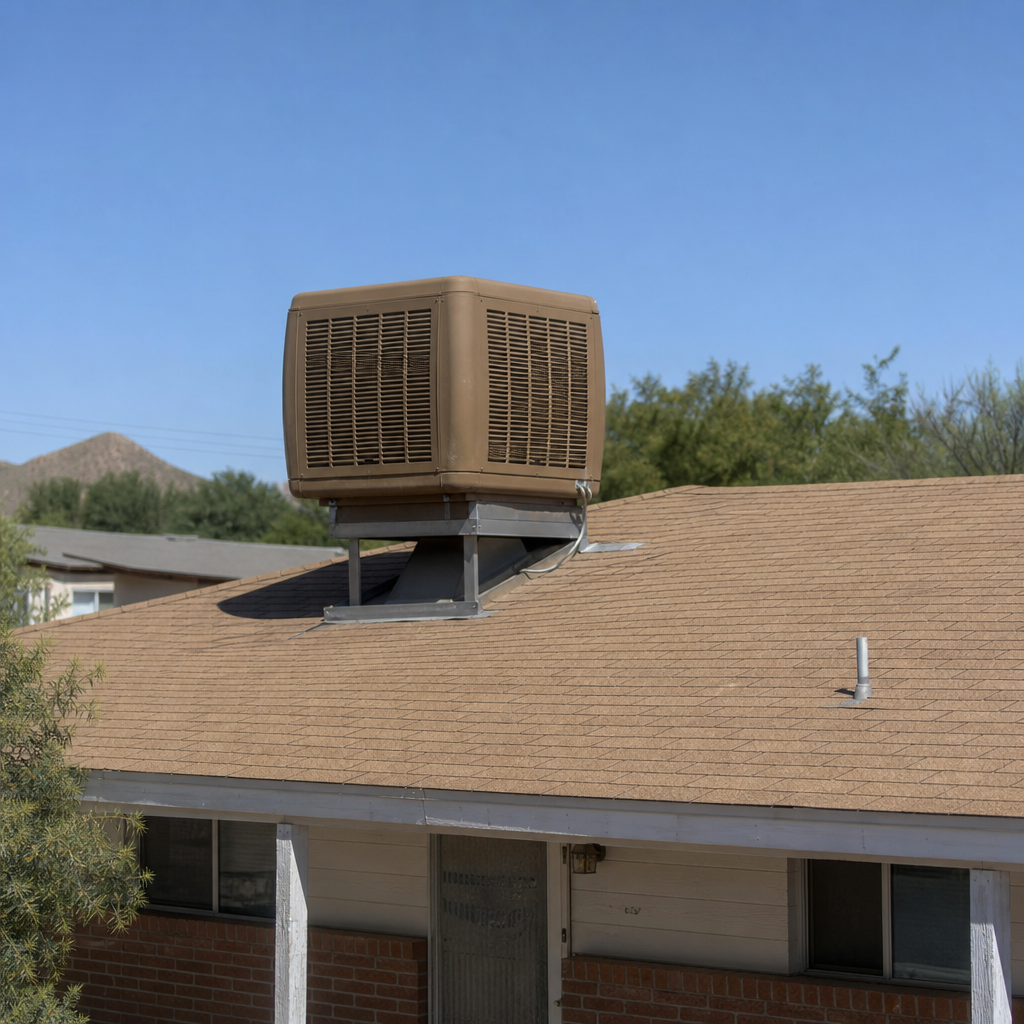
Moisture mapping. Pin-type and pinless moisture meters plus thermal imaging across suspect walls, ceilings, and floors. Mold is a moisture symptom, if we can’t find elevated moisture, we keep looking until we can explain why. In Glendale homes the usual suspects are plumbing walls (especially in pre-1975 homes with galvanized supply lines), exterior walls on flood-irrigated lots, ceilings under swamp cooler penetrations and AC air handlers, and flooring over slab leaks.
Visual inspection of the full moisture chain. Attic and roof deck (monsoon leak evidence shows up here first), under sinks, behind and under appliances, AC closets and condensate lines, water heater pans, and the evaporative cooler if the home has one: pads, reservoir, and the first several feet of duct.
Air sampling. A calibrated pump pulls a known volume of air through a spore trap, typically one outdoor baseline sample plus one or more indoor samples. The lab counts and identifies spore types. Elevated indoor counts relative to outdoors, or the presence of “water damage indicator” species like Stachybotrys or Chaetomium, tells us hidden growth is likely even when nothing is visible.
Surface sampling. Tape lifts or swabs of suspect staining, so you know whether that dark patch is mold or just dirt, soot, or efflorescence. Cheaper than assuming either way.
Written report. Findings, lab data with plain-English interpretation, photos, moisture readings, and a recommended scope. If remediation is warranted, this report becomes the work plan, and the pricing basis. See real numbers on the pricing page.
Why Glendale homes deserve a skeptical inspector
Glendale’s housing stock is older than almost anywhere else in the West Valley, and older homes hide moisture in era-specific places:
- Pre-war and mid-century downtown (Catlin Court, Old Towne, and the surrounding grid). Plaster walls, decades of repaint, additions and re-plumbs stacked on top of each other. Moisture meters and thermal imaging matter more here because plaster hides staining that drywall would show.
- 1950s–1970s ranch belt, roughly 43rd to 67th Avenues. Galvanized steel supply lines rusting from the inside, early copper developing pinhole slab leaks, and swamp cooler duct penetrations through the roof deck. If a swamp cooler is or ever was installed, we inspect the ducts it fed. See AC, swamp cooler & HVAC mold.
- 1980s–90s Arrowhead Ranch. The polybutylene plumbing era (roughly 1978–1995). These pipes fail suddenly, and small weeps behind walls precede the big failure. Also the age where original tile roof underlayment starts letting monsoon rain through.
- Post-2000 infill near Westgate. Tight envelopes. When these homes leak, moisture can’t escape and mold moves fast, so sampling matters even for “small” recent leaks.
An inspector who doesn’t know which decade built your house is guessing at where to point the meter.
When testing is the right call
- Musty odor, no visible mold. The classic hidden-growth scenario: wall cavity, under flooring, or ductwork.
- Allergy or asthma symptoms that track the house. Mold can aggravate allergies and asthma; air sampling tells you whether elevated spores are part of the picture.
- After water damage, before rebuild. Confirm the cavity is clean before new drywall seals it in. Pairs with water damage cleanup.
- Real estate transactions. Buyers in Glendale’s older neighborhoods, and sellers who want to preempt a renegotiation.
- Landlord/tenant disputes. An independent lab report is the objective baseline both parties need.
- Post-remediation clearance. Verifying any contractor’s work, including ours.
When to save your money
We turn down testing work regularly, and you should be suspicious of anyone who doesn’t. Skip testing when mold is plainly visible and the source is obvious (test results won’t change the scope), when the “mold” is clearly mildew on a shower surround (clean it and improve ventilation), or when a company offers a “free mold test” as a sales hook, free tests exist to sell remediation, not to inform you.
What happens after the report
If results are clean, you get documentation saying so, useful for sales and disputes, and genuine peace of mind. Against remediation money spent on guesswork, a $300–$700 inspection is the affordable way to make the decision with data. If results show a problem, the report defines the scope: which materials come out, where containment goes, and what the fix costs, drawing on remediation, black mold removal, or monsoon leak repair coordination as needed. Either way you’ll have a firm written price before anything else happens.
Same-day inspection appointments are usually available across Glendale, Peoria, Sun City, El Mirage, and Youngtown. Request a time through the form and we’ll confirm quickly.
Frequently Asked Questions
How much does mold testing cost in Glendale?
A full inspection with air and surface sampling and a lab report runs $300–$700. A visual inspection with moisture mapping alone runs $150–$300. We'll tell you upfront which one your situation actually needs, sometimes the honest answer is neither.
How long until I get results?
The on-site inspection takes 1–2 hours. Lab results for air and surface samples typically come back in 2–3 business days, faster with rush processing. You get a written report explaining spore types, counts, and what they mean for your house, not just a data dump.
Can you test my house before I buy it?
Yes, and in Glendale's older neighborhoods it's money well spent. Standard home inspections note visible staining but don't sample air or map moisture. For pre-1990 homes, especially anything with a swamp cooler or original plumbing, a mold inspection during your due diligence period is cheap insurance.
Do I need testing if I can already see mold?
Usually not. If mold is visible and the water source is identifiable, testing confirms what you already know, put the money toward remediation instead. Testing earns its cost when growth is hidden, when symptoms don't match anything visible, or when you need documentation for a sale, claim, or dispute.
What is clearance testing?
Sampling done after remediation, before containment comes down, to verify spore levels inside the work area are back to normal. It's the proof the job worked. Any remediation bid that doesn't mention clearance or post-remediation verification is incomplete.